

Project management is one of the essential skills a manager should have. It is a set of activities that are carried out to achieve project goals and deliverables. It involves planning, organizing, staffing, leading, controlling, monitoring, and controlling the project.
Project managers need to have specific skills in order to manage projects effectively. They should be able to plan and organize projects to achieve specific goals with all the constraints involved in the process. That’s why a project manager also needs leadership skills to direct people to deliver their best work within the given time frame.
Apart from these basic qualities, project managers should have good communication skills so that they can convey their thoughts effectively and motivate their team members to work together toward a common goal.
Since many project managers are now dealing with unforeseen issues in their daily work, it’s important to find solutions for them without causing a delay in work schedules or budgets allotted for projects.
The more experience you gain by managing projects as a project manager or team leader, the better decisions you can make to lead your team to success. You will also be able to identify potential risks that may occur during any phase of the project. With knowledge and experience, you’ll be able to come up with strategies to overcome them before they become serious issues and delay the completion of the projects or cause cost overruns.
If you’re starting a career in project management, you’ll need to build all these skills to be good at your job. Here are a few easy steps to tailor your project management skills.
1. Complete a Training Course
One way to hone your management skills is to complete a project management training course. This will help you learn about different project management techniques and how to effectively manage people to get great results.
You can enroll in a recognized project management certification course online and complete it on your own time so that it does not interfere with your current job and responsibilities. Make sure that your training course is aligned with your organization so you can learn the skill from a similar environment.
2. Master the Latest Tools and Techniques
While attending training courses, you’ll also need to master the latest tools and techniques used in managing projects to apply them effectively in the workplace. Sometimes, companies provide their employees with training on various topics that are relevant to their day-to-day work.
For example, if you work for an IT company, they might provide a training program on the latest trends in mobile technology or cloud computing so that employees can keep themselves updated on these topics and use this knowledge at the workplace to develop new applications or products for their clients.
3. Develop Leadership Skills
As a leader, your job will be to motivate your team members toward achieving common goals. To do this successfully, you’ll need to convey to them the project goals and strategies and help them understand why achieving those goals is important not only for a specific project but also for further company growth. Team members should understand why certain tasks need to be completed within certain time and budget constraints set by company management. In project management, recognizing achievements with meaningful customized awards can help foster motivation, encourage continuous improvement, and drive project success.
You’ll also need to learn how to delegate tasks among team members effectively so that each member can contribute towards achieving common goals without being burdened by more than they can handle.
4. Develop Skills for Effective Communication
As a leader, you’ll need to communicate effectively with your team members and company stakeholders. You should be able to understand their concerns and issues in order to help them overcome their obstacles where possible.
Effective communication also helps you convey your thoughts, ideas, and plans to team members. Help them understand your vision for achieving the company’s common goals while helping them develop their career and professional goals within the organization.
However, there may be situations when you need to make tough decisions that might affect team members’ performance or even their careers. After all, this is a part of leadership responsibilities that no one likes but needs to handle when required.
It’s important for aspiring leaders to learn how to handle such situations without losing their temper or compromising on principles while effectively delivering tough messages.
5. Develop Negotiation Skills
Negotiation skills are very important for any business leader, especially when it comes to negotiating with clients on projects or even with heads from other departments like marketing, sales, etc.
For example, you may have disagreements on certain terms and conditions of contracts that need to be resolved.
You can gain experience by taking up extra responsibilities at work or volunteering for leadership positions at local community groups or social organizations. Look for organizations where there is scope for showing your negotiation skills by managing small projects like organizing annual events or fundraising programs.
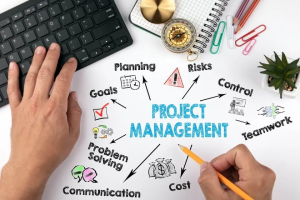
5 Most Common Challenges of Project Management
Project management is a complex process that involves many tasks and participants. While it is important to plan out the project, there are certain challenges that may arise along the way. Some of these challenges include:
1. Poorly Defined Goals: Without clear goals, it’s difficult to measure the success or failure of a project. Goals should be clearly defined and measurable in order to ensure that the project is on track.
2. Inadequate Resources: Projects require resources such as money, materials, and manpower, which may be scarce or inadequate. Proper assessment of resources must be done prior to starting a project so that it can run successfully with available resources.
3. Poor Communication: Lack of communication between team members or stakeholders can lead to miscommunication and misunderstanding. This, in turn, often results in project failure. It is important that everyone involved in the project is on the same page and all information is shared promptly.
4. Unforeseen Circumstances: Unexpected events such as natural disasters, political unrest, or economic crises can affect the progress of a project. This can result in delays or an increase in spending.
5. Ineffective Risk Management: Risk management is an important factor in project management. Risks need to be identified beforehand and handled strategically to minimize their impact on a project. Without effective risk management plans, projects are more prone to failure.
These are just some of the most common challenges that may arise in project management. It’s important to be aware of them so that proper strategies can be implemented to avoid issues. With the right skills, experience, and knowledge, these challenges can be effectively managed, giving way to project success.
The Takeaway
Project management is an ongoing process that requires continuous effort from both employees and management to deliver results.
Skilled managers can cope with various challenges that come their way while managing a project. They need to handle conflicts effectively and delegate work among team members so that each member can contribute toward achieving the team’s common goals.
This article should help you get a closer look at how you can be a good project manager by taking up new skills step by step. Good luck!
Author
Andre Oentoro is the founder of Breadnbeyond, an award-winning explainer video production company. He helps businesses increase conversion rates, close more sales, and get positive ROI from explainer videos (in that order).
Twitter: @breadnbeyond
Email/Gravatar: andre@breadnbeyond.com
LinkedIn: Andre Oentoro


