
Virtual reality is a new way to experience the world. Brands are using this medium to create more immersive experiences for their customers.
You may have seen virtual reality marketing in action with the release of immersive blockchain games or brands like Sephora that have in-house VR experiences built directly into their apps. Or, you might have had a chance to experience virtual reality at an event, such as a film festival or conference.
Brands can use virtual reality to boost their marketing campaigns in a variety of ways, but what’s the rush? Why do they need to use virtual reality in the first place?
Why Businesses Use Virtual-Reality-Based Solutions
Virtual-reality-based solutions allow businesses to connect with their customers in a new, more interactive way. VR provides an added layer of engagement that far surpasses traditional marketing methods. From providing virtual tours and product demos to creating immersive storytelling experiences, brands can build up an audience’s excitement and loyalty by using this technology.
Here are some reasons why businesses start using virtual reality for their marketing campaigns:
1. Increase engagement
Virtual reality adds an extra layer of customer engagement. It allows customers to explore, interact, and get closer to the content, making their experience more immersive.
2. Boost brand awareness
By allowing customers to virtually experience your product or service in a realistic way, you are giving them a better understanding of what it is like to use it. This gives you the opportunity to create a stronger emotional connection with your customer and increase brand awareness.
3. Personalize experiences
Virtual reality allows businesses to personalize experiences for their customers. This can help increase user engagement and loyalty, as customers will feel more connected with your product or service due to the personalized experience they’re receiving.
4. Reach global audiences
With virtual reality, businesses can reach a much wider audience than with traditional methods of marketing. Virtual reality also allows businesses to easily scale their campaigns and reach more customers, no matter where they are in the world.
5. Cost efficiency
Despite the high initial investment for the technology, virtual reality can be cost-effective in the long run. You can use it over and over again and make small changes to the content as needed.
How Virtual Reality Works in Marketing Campaigns
When it comes to virtual-reality-based solutions, there are a variety of ways you can use the technology.
For example, you can create an interactive product demo or showcase the features of a new service. You can also create immersive experiences that spark emotion, such as virtual tours and 360-degree videos. Or you can take it a step further and build an interactive game that allows customers to explore your brand in a more engaging and memorable way.
Regardless of how you decide to use virtual reality, it’s important to remember that the technology should be used as part of an integrated marketing strategy. Virtual reality should complement traditional methods such as social media, print ads, and email campaigns.
3 Ways Brands Can Integrate Virtual Reality to Improve Marketing Campaigns
There is endless marketing potential for virtual reality, but how exactly are brands using this technology?
Let’s take a look at some of the ways your favorite brands are integrating virtual reality and other technologies into their brand strategy.
1. 360-Degree Video Marketing
Video marketing is a tried-and-true marketing strategy that has been used by brands for decades.
360-degree video marketing is a new way to create content that brands can use to create more immersive experiences for their customers. It’s becoming more and more common as brands discover the marketing potential it holds.
A 360-degree video is an immersive video that allows the user to click and drag the video around to see any part of the scene from any perspective. It gives consumers a feeling of presence and engagement that cannot be found in a traditional video.
As 360-degree videos become a more common marketing tool, it will become increasingly important for brands to create high-quality videos that are optimized for this technology. These videos can be created with a 360 camera or a special rig that can be used with a regular camera.
360-degree videos are great for showcasing products and services, hosting virtual tours, and providing customers with special experiences like behind-the-scenes of events.
Many businesses in the tourism industry use this type of virtual reality for their marketing strategy. Atlantis Dubai Hotel is one of them.
They showcase several key sections of the hotel, including the main entrance, the hotel suites, and a number of nearby features and attractions.
2. Augmented Reality Marketing
Augmented reality is a technology that combines digital imagery with the world around you. In marketing, augmented reality is used to place virtual objects in real-world settings. Unlike virtual reality, this technology does not require any specialized equipment. It can be used to create interactive experiences that allow customers to explore a product in more detail.
These virtual objects can include sound effects, graphics, and information that provides a more in-depth look into the product or service being advertised. Augmented reality holds a lot of potential for brands and will likely become more popular in the coming years.
In fact, a large majority of marketers say augmented reality will have a big impact on their business in the next five years. Currently, brands are using AR to create more immersive marketing experiences.
For example, IKEA has an app that allows users to enter a 3D room and redesign it with all the furniture that they sell. The user can change everything from windows and door frames to wall colors and rugs.
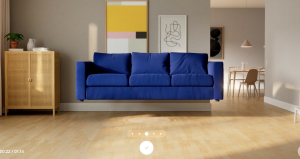
Image source
AR isn’t just for product and service advertisements, however. This technology can be used for event marketing and educational experiences as well.
Some brands are even creating AR games that allow users to interact with the brand and play games with other people who have downloaded the app.
3. Mixed Reality Marketing
Mixed reality is a combination of virtual reality and augmented reality that creates a fully immersive experience. With mixed reality marketing, you can see, hear, and even smell what’s happening around you.
Mixed reality marketing is still in its early stages, but as the technology becomes more common, we’ll likely see businesses create exciting new marketing campaigns.
Unlike VR and AR, mixed reality marketing is an experience that takes place in the real world. This is an expansion of AR that allows virtual objects to interact with real-world objects.
Sephora is a great example of this, as the brand created an app that allows users to try on makeup. They were even one of the first brands to release Oculus headsets.
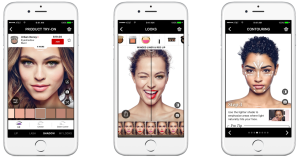
The app lets you see how different products will look on your skin and provides information about the products from Sephora’s beauty experts.
You can also test out different makeup looks and create your own custom makeup kits. This app provides the beauty expertise that Sephora is famous for in an immersive way that lets you try products out before buying them.
The Takeaway
Virtual reality will be an incredibly valuable tool for businesses in the near future, and the technology is rapidly evolving. There are currently three main types of virtual reality-based solutions for marketing: 360-degree video marketing, augmented reality, and mixed reality.
Each type of virtual reality offers something unique to marketing campaigns. From 360-degree videos to mixed-reality experiences, these new technologies can provide an immersive and powerful way to reach customers.
Marketers should be sure to familiarize themselves with VR and other types of virtual reality so they can implement them into their marketing strategies. Armed with a thorough understanding of the various applications of each type, marketers can create unique experiences that will help their businesses stand out among competitors.
Author
Andre Oentoro is the founder of Breadnbeyond, an award-winning explainer video production company. He helps businesses increase conversion rates, close more sales, and get positive ROI from explainer videos (in that order).
Twitter: @breadnbeyond
andre@breadnbeyond.com
LinkedIn: Andre Oentoro


